
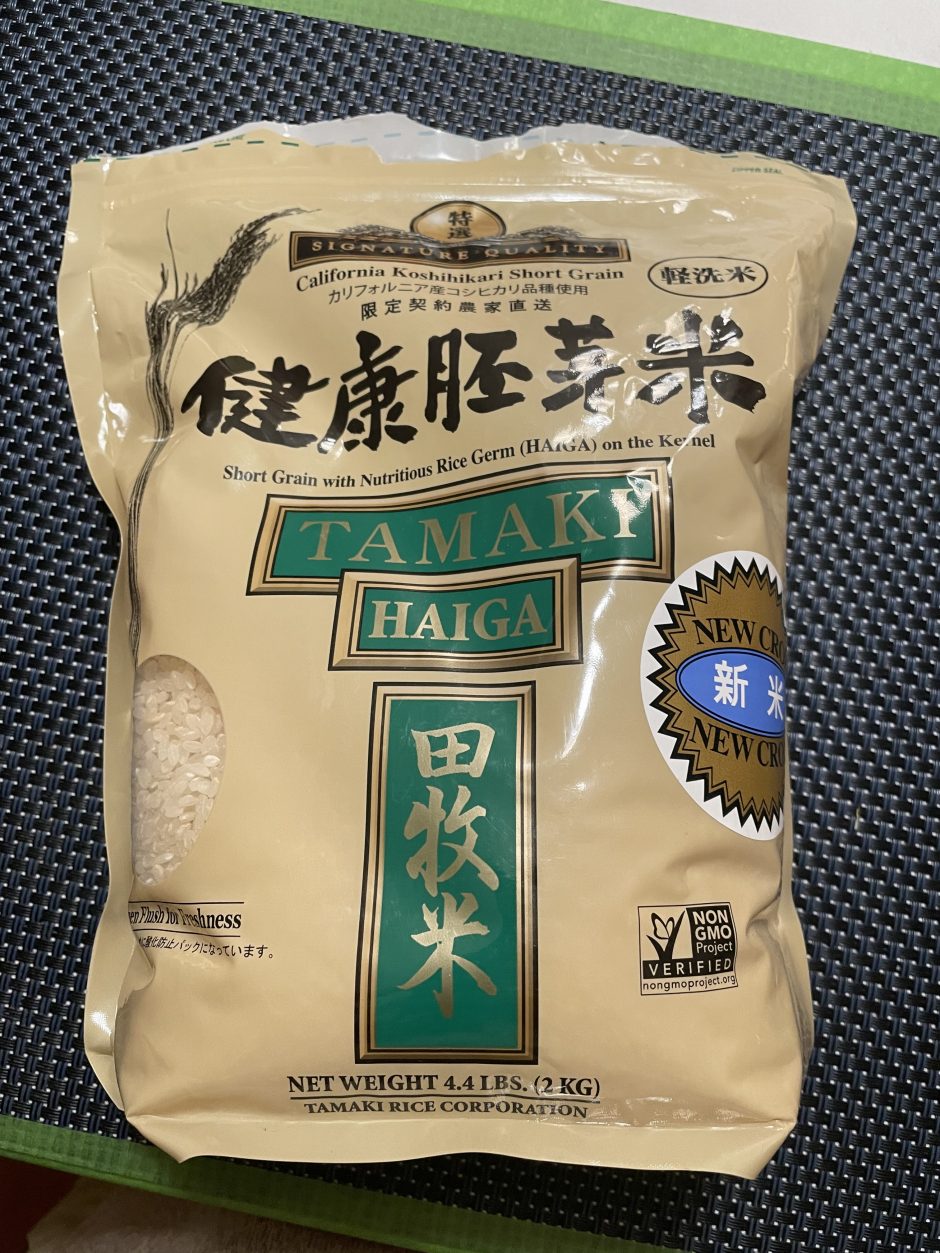
A friend of mine was researching what rice to buy and I told her I like Tamaki haiga a short grain rice with the germ still attached. It tastes like white rice but it's supposed to be more nutritious. Anyway, it tastes good and we use the gaba brown, quick, or white rice regular setting on the Zojirushi so can't really screw that up. Tamaki haiga is better than your usual bowl of rice and it's good for rice bowls, stir fried rice, etc. Some more rice thoughts from somebody else. Also, there's no "best" rice. Buy what you like.
Other rice: Anson Mill's Carolina Gold Rice is good especially for red beans and rice but it's a bit too expensive for the trouble. Carnaroli for risotto, bomba for paella, and Kodafarms has good sweet (sticky) rice, rice flour, and Kokuho rose. I've made but I don't really fool around too much with jasmine, basmati, or long grain rice. And I don't like brown rice.
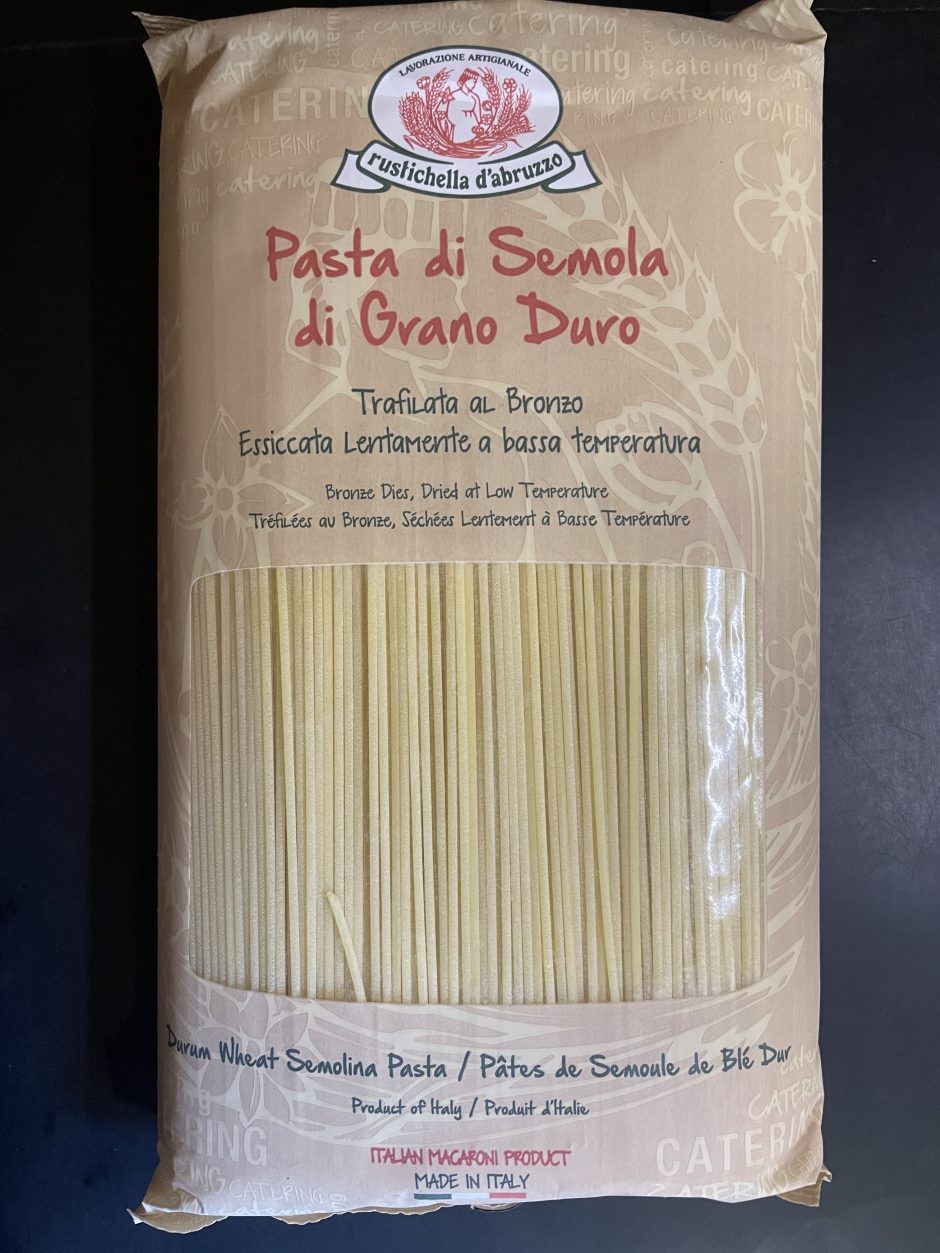
For pasta we go with Rustichella D'Abruzzo for spaghetti, bucatini, mezze maniche, farfalloni, and orecchiette. There's a couple bulk sales a year at Market Hall for this pasta and I grab some when it happens. Otherwise, Barilla is fine and fresh, home made pasta is easy enough.
Bonus: For rice "seasoning", get shichimi togarashi, Queen's gochujang, and Huy Fong chili garlic sauce. For tomato stuff Rao's marinara and vodka sauce are really good. Bianco DiNapoli canned tomatoes are good and this tomato paste from Mutti.